All applications

Application-Based Project Review

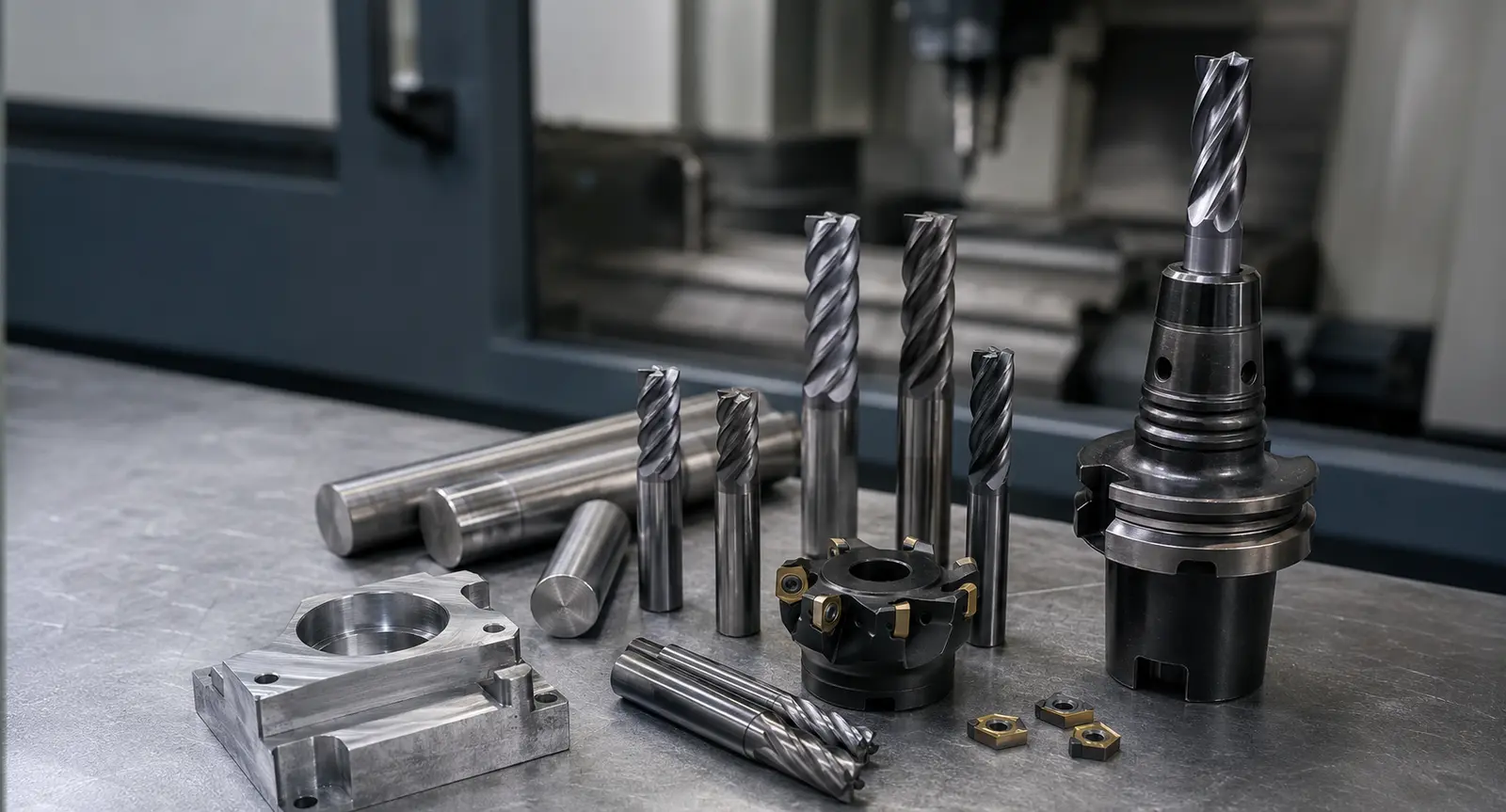
Cutting Tools & Toolmaking

Cutting-tool performance depends on the workpiece, cutting mode, tool geometry, edge condition, carbide direction, coating and coolant strategy. We review the blank or finished-product requirement together with the intended operation.

Cutting Tools & Toolmaking

Application map: equipment, parts and service conditions

This map connects the process or equipment position with representative carbide components, common failure mechanisms, material-review direction and practical supply form. It is a project review guide, not a universal specification.

Process / equipmentPosition and functionRepresentative componentsMain service risksMaterial review directionTypical supply route
Rotary-tool productionMaterial body for drills, end mills, reamers and step toolsSolid rods, coolant-hole rods, step blanks and near-net preformsEdge wear, chipping, fracture, heat and grinding stabilityMatch workpiece, continuous or interrupted cutting, edge geometry, Co direction and WC grain classSintered, centerless-ground, cut-to-length, chamfered or semi-finished blanks
Indexable and special cutting toolsReplaceable or brazed cutting edge in turning, milling, grooving and special profilesInsert blanks, custom inserts, brazed tips and profile blanksCrater or flank wear, thermal cycling, edge breakage and unstable chip controlReview cutting speed, feed, workpiece, coating, edge preparation and required toughnessPressed or cut blanks, ground geometry, finished insert or coating-ready part
Woodworking and composite cuttingCutting edge for saws, knives, routers and tools for boards or abrasive compositesSaw tips, strip blanks, knife blanks and custom cutting segmentsAbrasive fillers, resin heat, sharp-edge loss, brazing stress and intermittent impactBalance fine-edge retention and wear resistance with brazing and impact reliabilityStrips, pre-cut tips, ground blanks, brazing-ready or drawing-based components
Custom and semi-finished toolmakingPreformed body close to the final tool geometry to reduce downstream stock removalStepped blanks, shaped preforms, headed blanks and drawing-based tool bodiesExcess grinding stock, distortion, feature position and repeatability between batchesReview final geometry, grinding or EDM route, coating or brazing and critical datumsNear-net blank, pre-machined form, ground datum features or finished tool component

What should be reviewed for this application

The application name is only a starting point. Material direction and manufacturing route should be reviewed against the actual load, wear pattern, geometry, mating parts and downstream processing.

Selection starts with the workpiece material, cutting mode, edge geometry, heat generation, coolant strategy and whether the cut is continuous or interrupted. Hardness alone does not define a suitable carbide: the balance between wear resistance, edge stability and toughness must also match grinding, EDM, brazing and coating operations. Please indicate whether supply is required as a sintered blank, ground blank, semi-finished tool or finished component.

What Defines the Requirement

  • Workpiece material, cutting operation and interrupted or continuous cutting
  • Required balance of wear resistance, edge stability and toughness
  • Blank geometry, coolant-hole design, tolerances and surface condition
  • Grinding, EDM, coating, brazing or other downstream processing

How MPC Can Support the Project

MPC manufactures carbide rods and profiles, cutting inserts, cutting tools, dies and custom tooling components. Supply can be reviewed as sintered blanks, ground blanks, semi-finished parts or finished components according to the product and drawing.

Related Product Families

Manufacturing and inspection references

Manufacturing Built Around the Product Requirement

Our role is broader than supplying a catalogue item. We review how the material, product form, manufacturing route and acceptance requirements fit the intended application.

Review manufacturing approach →

Quality, Testing & Traceability

Quality requirements are tied to the product and order. We do not present one property table or one inspection plan as suitable for every material family.

Review materials & quality →

Useful Information for an Initial Review

An exhaustive specification is not required at the first stage. The following information is normally enough to begin:

  • Drawing, sketch, dimensions or redacted sample photos
  • Current material, grade, composition direction or reference product
  • Application, workpiece and relevant service conditions
  • Critical dimensions, tolerances and surface requirements
  • Trial quantity and expected repeat or batch quantity
  • Required tests, standards, reports, packing and delivery destination

Discuss This Application

Send the application, product family, current material or drawing and requested quantity. We will review a practical manufacturing and supply route.